Quitting cigarettes or vaping can involve more than simply deciding to stop. Nicotine cravings, routines, stress triggers and habits built over months or years can all make the process challenging.
Jones approaches quitting from several directions at once, combining nicotine replacement therapy with digital behavioral support, progress tracking and structured quit plans.
The centerpiece of the system is a line of mint-flavored nicotine lozenges, complemented by personalized Quit Kits and the Jones app.
Here is a closer look at how the different parts work together.
Jones 2mg Nicotine Mints
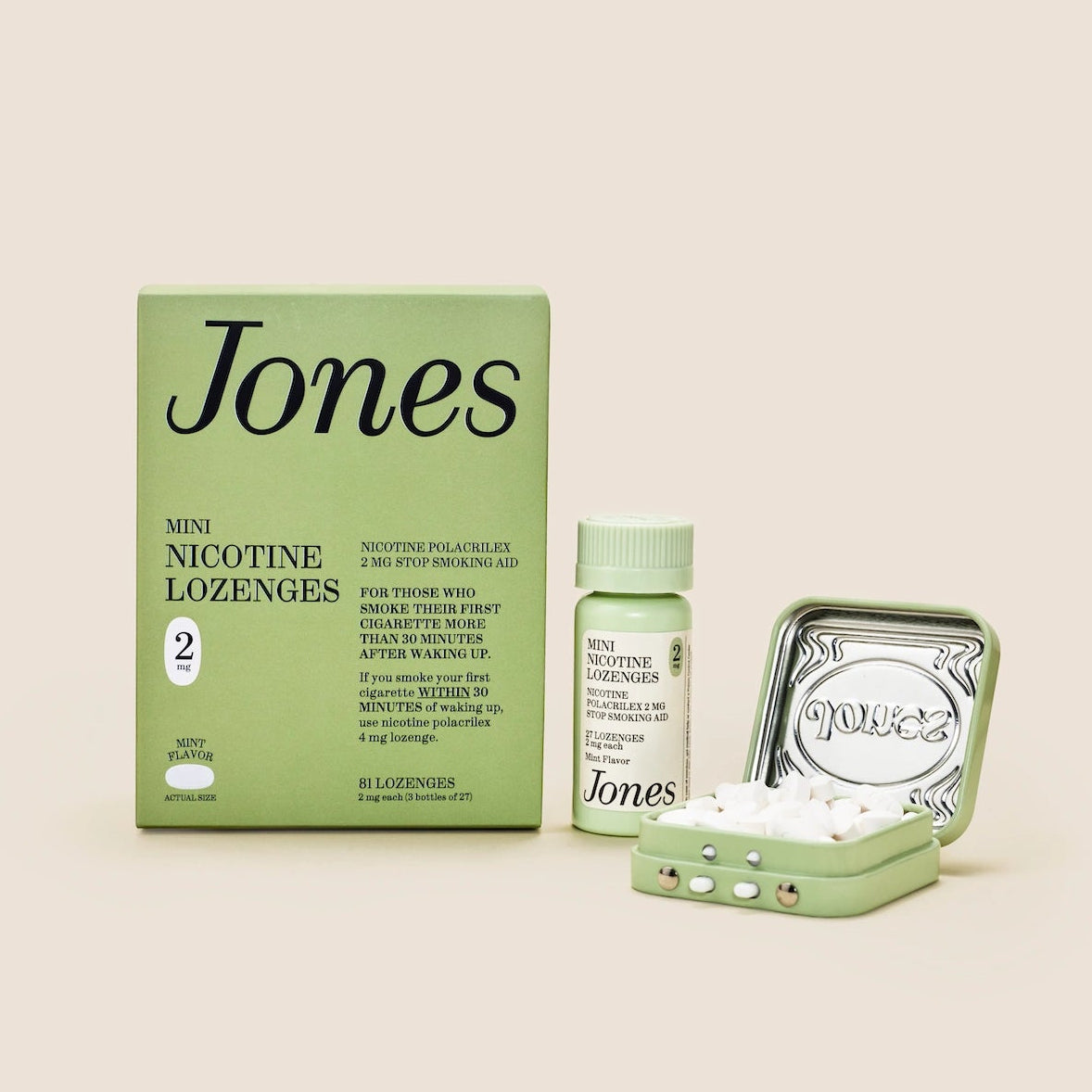
The 2mg Nicotine Mints from Jones are mint-flavored nicotine replacement therapy lozenges intended for adults working toward quitting smoking.
The current product contains 81 mints per pack. The brand recommends the 2mg strength for lower-dependency users, while CDC guidance similarly notes that nicotine lozenge strength depends partly on how soon after waking a person normally smokes.
Unlike gum, a nicotine lozenge is placed between the gum and cheek and allowed to dissolve gradually. It should not be chewed or swallowed. The nicotine is absorbed primarily through the mouth.
The compact format also makes the mints relatively discreet for situations where reaching for a cigarette or vape has become part of an established routine.
Best for: adults seeking a lower-strength nicotine replacement lozenge as part of a smoking-cessation plan.
Learn more about Jones
Jones 4mg Nicotine Mints
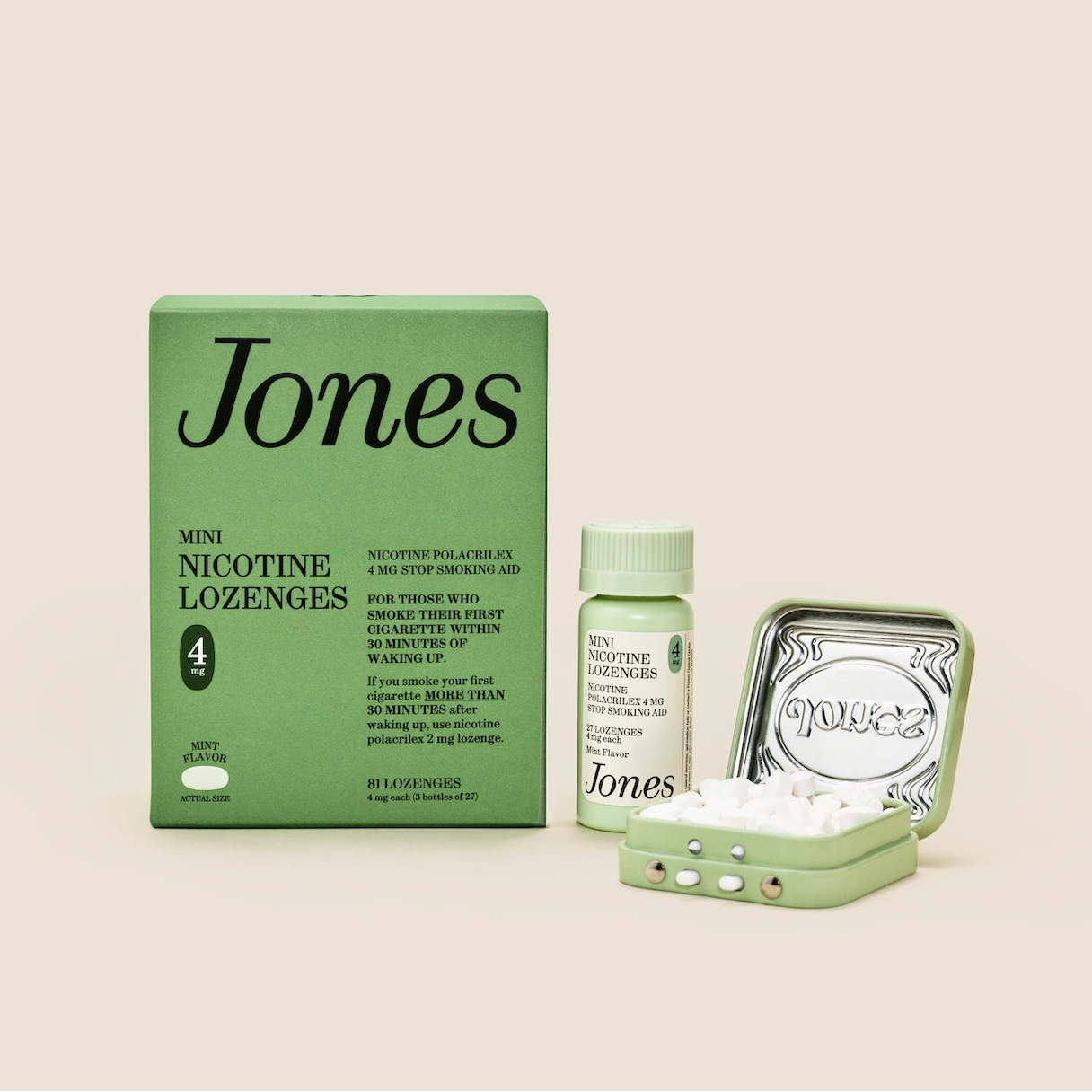
For adults with a higher level of nicotine dependence, Jones also offers a 4mg version of its nicotine mint.
The current 4mg pack also contains 81 lozenges. According to CDC guidance, people who normally smoke their first cigarette within 30 minutes of waking are generally advised to consider the 4mg nicotine-lozenge strength, although individual circumstances and product labeling should always guide use.
Nicotine replacement therapy provides measured nicotine without the toxic chemicals present in cigarette smoke. FDA-approved forms include lozenges, gum and patches, and these therapies are established aids for adults trying to stop smoking.
The goal is not simply replacing one habit indefinitely. NRT is generally used as part of a structured process in which nicotine intake is gradually reduced.
Best for: adults with stronger nicotine dependence who need a higher-strength lozenge under the product’s recommended dosing guidance.
Explore nicotine replacement options from Jones
Habit Kicker Quit Kit

For someone who wants more structure than buying individual packs, the Habit Kicker Quit Kit from Jones combines several months of nicotine mints with behavioral support.
The current kit is aimed at moderate-dependency users and contains five packs of mints: two packs of 4mg lozenges and three packs of 2mg lozenges. It also includes a travel tin and access to behavioral support through the app and SMS coaching.
The structure is designed around gradually stepping down from the higher dose toward lower nicotine use over time.
That combination of medication and support is important. CDC guidance states that counseling and quit-smoking medication together provide the best chance of successfully stopping smoking.
Rather than treating every person’s nicotine use as identical, the brand also offers different Quit Kits according to dependency level and goals.
Best for: adults who prefer a structured, multi-month plan instead of purchasing individual NRT products separately.
Explore Quit Kits from Jones
The Jones App and Behavioral Support
Physical cravings are only part of quitting nicotine.
Repeated behaviors can become associated with driving, work breaks, social situations, stress or simply having something in your hand. That is why Jones pairs its nicotine replacement products with behavioral tools.
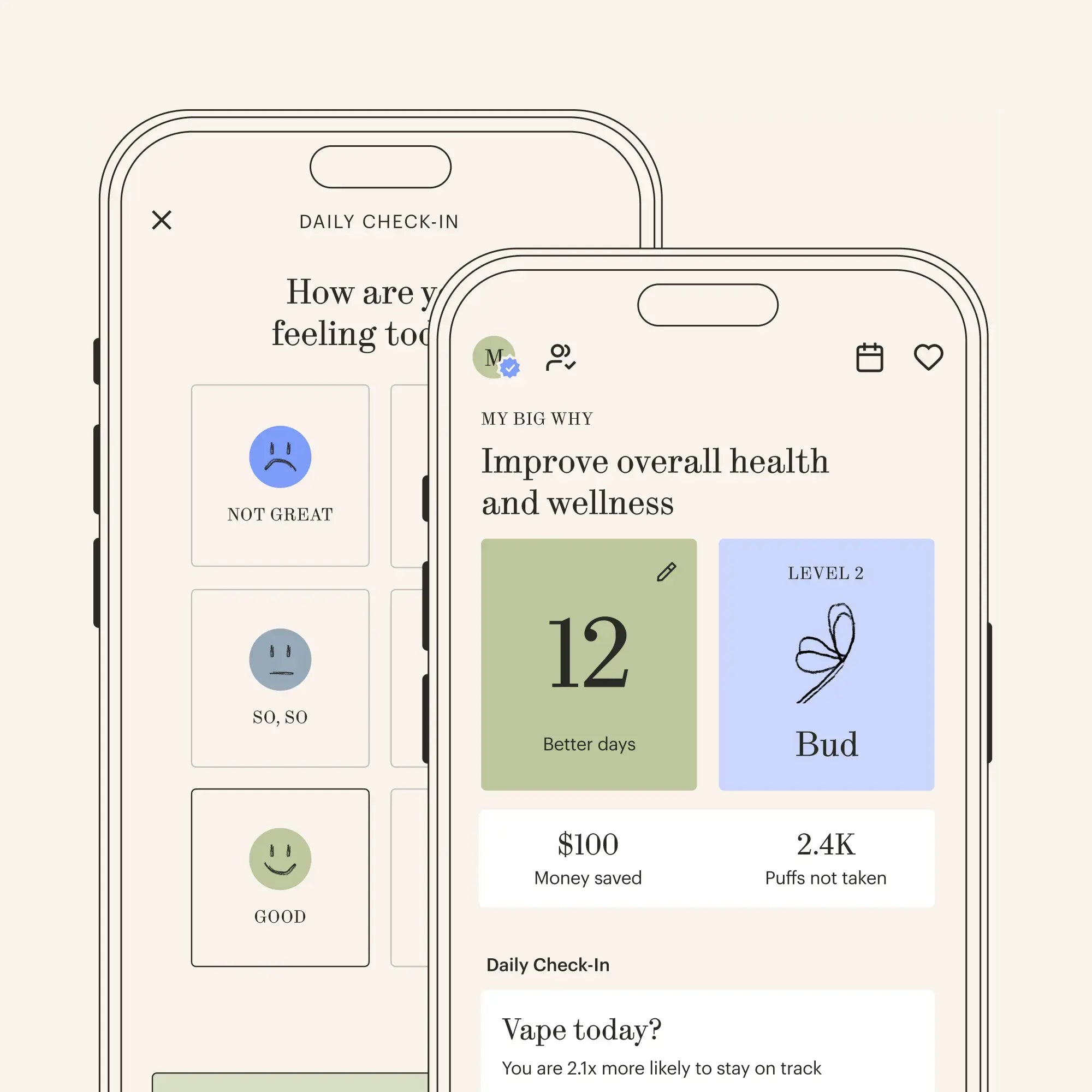
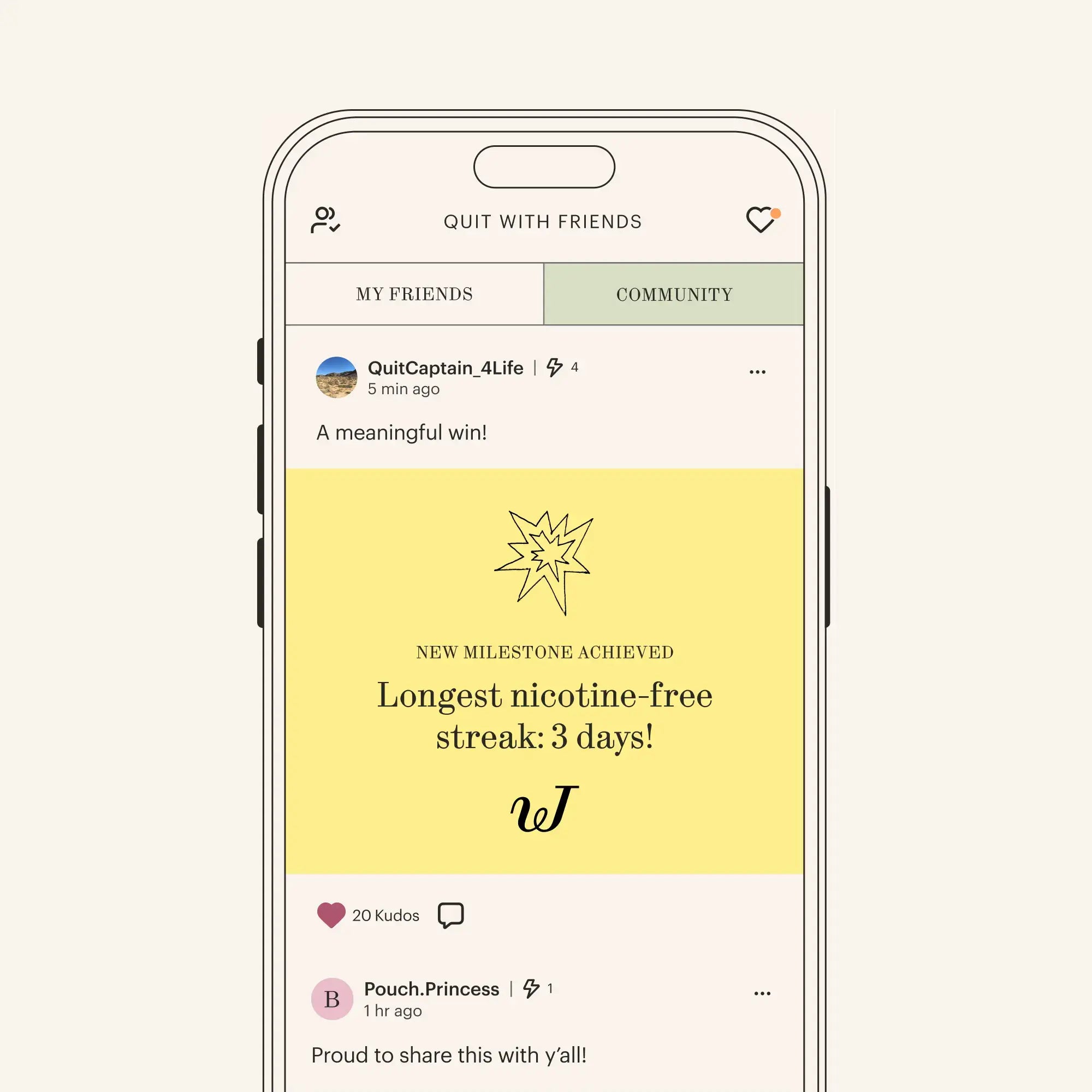
The app includes daily check-ins, progress tracking and a community component where users can record milestones and connect with other people working toward similar goals.
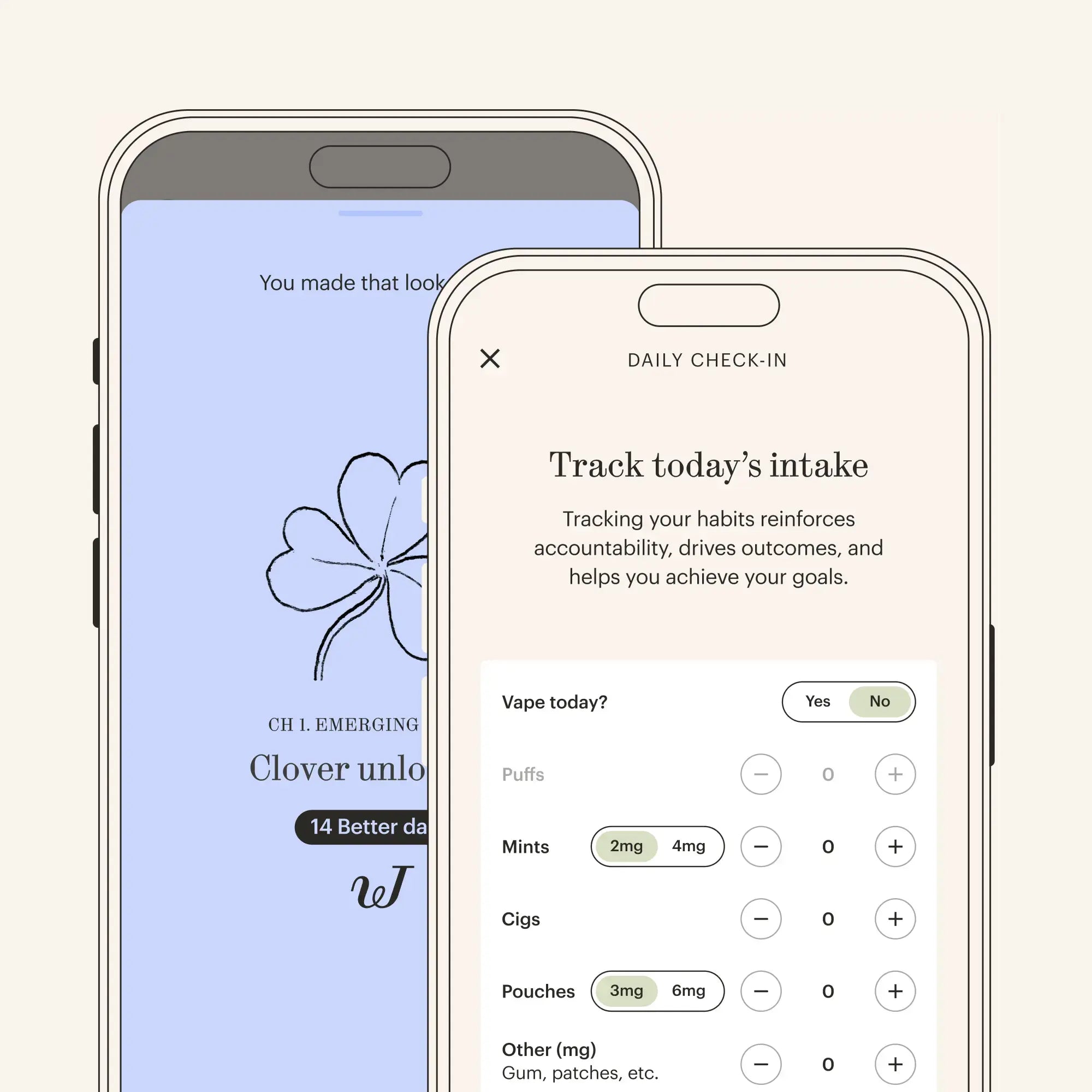
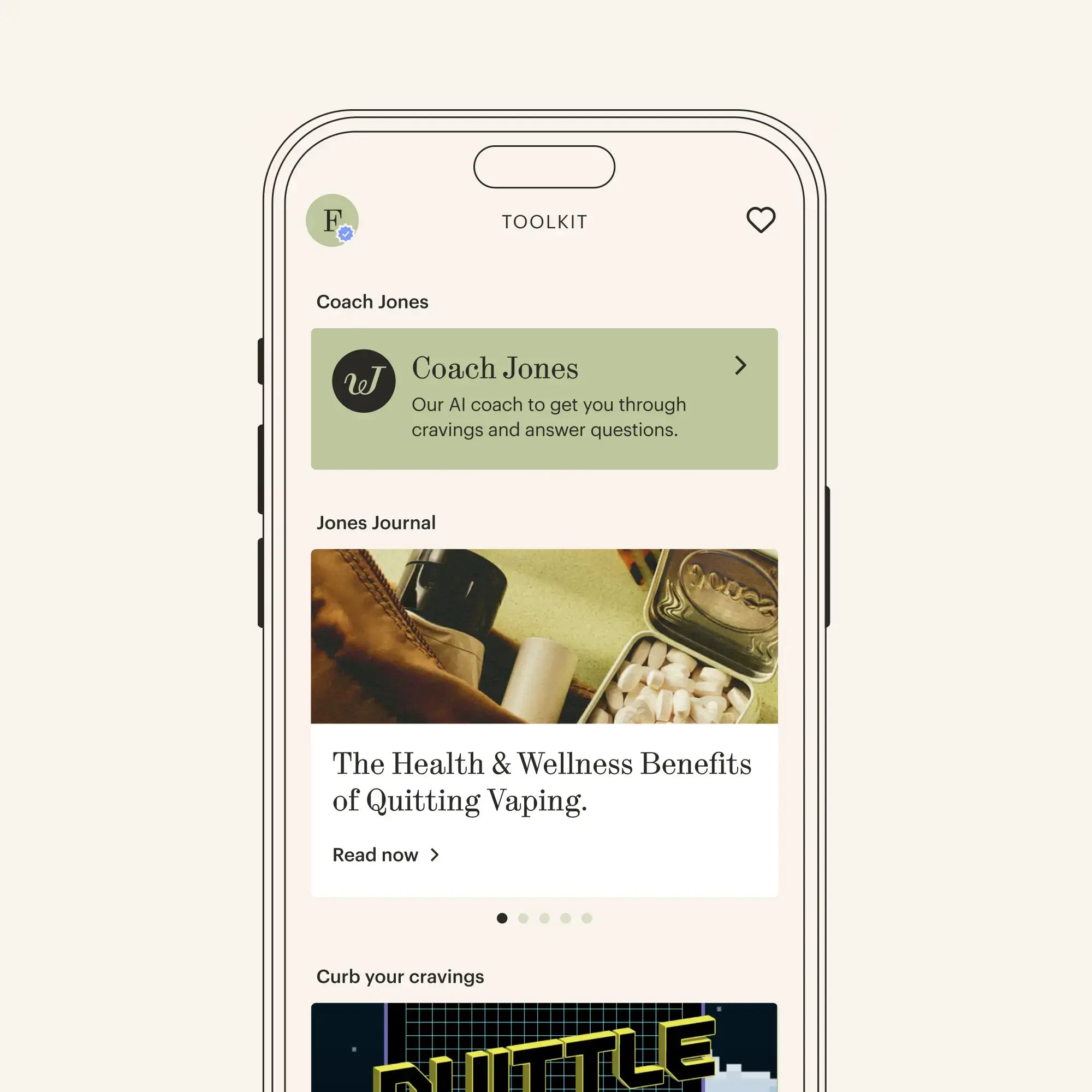
It also includes tools for tracking nicotine use and accessing support when cravings appear.
The underlying idea is consistent with mainstream cessation guidance. Behavioral counseling can help people identify triggers and develop strategies for dealing with cravings, while medication can address the physical symptoms of nicotine withdrawal.
Best for: people who want accountability, habit tracking and behavioral support alongside nicotine replacement therapy.
Discover the Jones approach to quitting
Why Nicotine Replacement Therapy Is Different
Nicotine replacement therapy is not the same as continuing to smoke.
FDA guidance explains that NRT provides nicotine in measured doses without exposing users to the toxic chemicals found in cigarette smoke. Approved over-the-counter options for adults include patches, gum and nicotine lozenges.
The CDC also notes that nicotine lozenges can help control withdrawal symptoms and cravings and are most effective when used correctly and as part of a broader quitting strategy.
Jones builds on this established approach by pairing its lozenges with tools focused on habits, accountability and community.